U.S. National Parks List by State
This U.S. national parks list by state breaks down the best places to get outdoors, from the highest peak to the lowest point in North America.
U.S. national parks preserve some of the most incredible landscapes the country has to offer, covering more than 85 million acres from remote wilderness north of the Arctic Circle to sun-drenched islands in the Caribbean Sea, Gulf of Mexico, and South Pacific Ocean.
While there are over 400 areas in the National Park System, only 63 are designated a “national park.” Others are classified as national historic sites, national monuments, national forests, etc. This U.S. national park list by state introduces the big 63 — from well-known names like the Great Smoky Mountains in Tennessee and Yosemite in California to under-the-radar destinations like Great Basin in Nevada and Black Canyon of the Gunnison in Colorado.
Keep reading for a list of U.S. national parks by state to find your next adventure!
National Parks in Alaska

Denali National Park and Preserve
Denali National Park and Preserve is home to North America’s highest peak, the 20,310-foot Denali, previously known as Mount McKinley. The 6 million acres here feature landscapes of tundra, forests, glaciers and lakes.
Some of the best things to do in Denali include sightseeing on a bus tour down Denali Park Road, hiking the Triple Lakes and Mount Healy trails, and looking for the “big five” mammals in the park — grizzly bears, wolves, moose, caribou and Dall sheep.
Katmai National Park and Preserve
Katmai is famous for its brown bears that gather on the river to catch salmon as they leap upstream. Visitors congregate on the viewing decks at Brooks Falls to watch the feeding (you can also live stream it).
Despite the incredible nature show, this is one of the least visited parks in the country. Since it’s so remote, it takes quite a bit of effort and expense to get here. Katmai is located on a volcanic peninsula about 300 air miles from Anchorage. It can only be reached by plane or boat.
Kenai Fjords National Park
Kenai is the spot “where mountains, ice and ocean meet,” as poetically said on the National Park Service website. The Kenai Peninsula is about 125 miles south of Anchorage near the cruise ship port of Seward. It’s one of few national parks in Alaska accessible by road. Even so, most of it can only be seen on boat tours.
One site you can drive to (seasonally, of course) is Exit Glacier. Short trails here take you to different vantage points while longer ones lead further into the Harding Icefield.
Wrangell-St. Elias National Park and Preserve
The largest on this list of national parks in the U.S. at 13.2 million acres, the vast Alaska wilderness of Wrangell-St. Elias stretches from the sea to over 18,000 feet. A juxtaposition of fire and ice, the preserve also has the country’s largest assemblages of glaciers and active volcanoes.
The park is located in eastern Alaska, with a visitor center about 200 miles northeast of Anchorage. You can reach some of it by road, but just a couple of gravel paths actually go into the park. There are a few maintained trails and ranger-led programs in summer, but most of the adventures like mountaineering and sea kayaking take place further in the wilderness on backcountry trips that require lots of planning and experience.
Glacier Bay National Park and Preserve
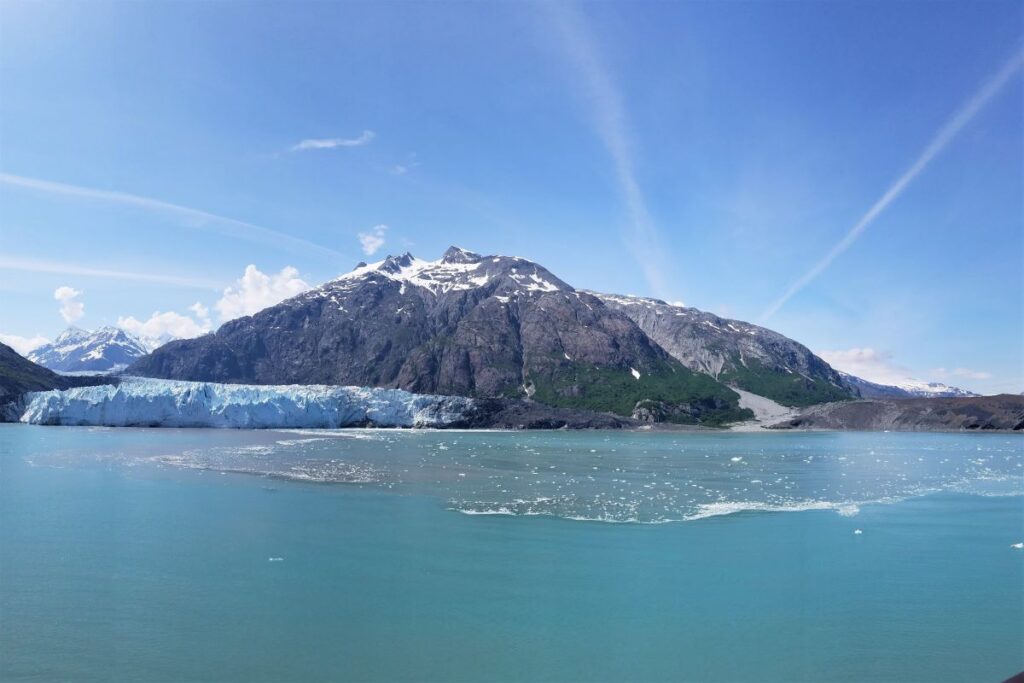
Most people only ever see Glacier Bay from the deck of a cruise ship through Alaska’s Inside Passage. The national park and preserve near Juneau encompasses some 3.3 million acres of mountains, rainforest, coastline, and fjords. It’s the massive calving glaciers, though, that really put it over the edge.
Since it’s remote and coastal, visiting via water is by far the most popular way. Cruise and private vessel access is limited and regulated by the National Park Service. If you do get a chance to float by on a ship (not all Alaska cruises go here), expect to spend eight hours or so in the park with a ranger on board to narrate the landscape.
Lake Clark National Park and Preserve
Lake Clark National Park and Preserve is just 120 miles east of Anchorage, but like many other Alaska parks, no roads go here. Instead, visitors need to pay for a small air taxi.
With 4 million acres of mountains, lakes, volcanoes, and tundra in the park, you can expect a remote and adventurous trip. And don’t forget about the wildlife — caribou, brown bears, wolves, and red foxes all call this area home.
Kobuk Valley National Park
North of the Arctic Circle, Kobuk Valley National Park is about as remote as you can get. To reach it, travelers have to fly from Anchorage or Fairbanks to one of the gateway towns of Bettles or Kotzebue and hire an air taxi for the rest of the trip to the park.
As you might expect, there are no park services, food, or gear available once you leave the small communities on the border. Only highly experienced and prepared backcountry explorers should attempt this one on their own. The reward, though, is a truly wild, once-in-a-lifetime adventure with only caribou for neighbors.
The slightly less venturesome can still get a taste of the scenery by booking flightseeing rides with brief landings.
Gates of the Arctic National Park and Preserve
The least-visited national park in the U.S., Gates of the Arctic is also north of the Arctic Circle near Kobuk. This national park and preserve has no services, roads, or maintained trails. With just a couple of tiny outlying gateway communities, it’s one of the most remote options on this national parks list by state.
Despite the challenge to get here, this is one of those national park bucket list destinations that is incredible in every season. Summer brings endless light, fall the great caribou migration, and winter the dancing Northern Lights. Like Kobuk Valley, visitors need to be highly experienced or with an expert guide to adventure in this wild landscape.
National Parks in Arizona
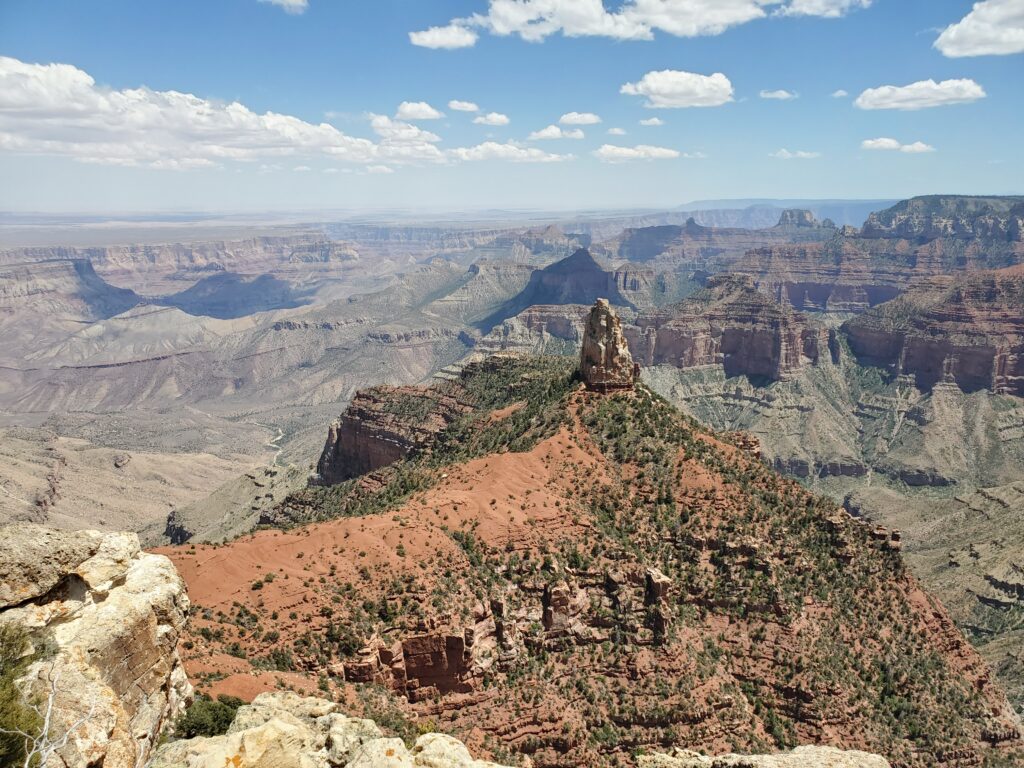
Grand Canyon National Park
Cutting a mile deep and 18 miles wide, the Grand Canyon is one of the biggest bucket list national parks in the U.S. Wrapping in 278 miles of the weaving Colorado River, the park offers incredible hiking trails along both the North Rim and South Rim and into the canyon.
The South Rim of Grand Canyon National Park is the most popular place to go and is open all year. Here there are over a dozen lookouts and a couple of trails to the canyon floor. The North Rim is a bit quieter and has the highest overlook at Point Imperial (8,803 feet). It’s only fully open from May 15 to October 15 each year.
Petrified Forest National Park
Petrified Forest National Park in eastern Arizona is named for the colorful mineralized wood deposits found here. You can see a big collection of them on a couple of easy trails near the Rainbow Forest Museum — the Giant Logs loop is under half a mile and the Long Logs loop is 1.6 miles.
This park is perfect for a short visit of a day or less while road-tripping through Arizona. Make a point to drive the 28-mile scenic Petrified Forest Road, stop for the views at the Painted Desert, and hike the 1-mile Blue Mesa Trail around colorful badland hills.
Saguaro National Park
The massive saguaro cactus is the star of this national park in southern Arizona. Located to the east and west of Tucson, Saguaro National Park is home to the largest cacti in the country. The saguaro only grows in some parts of the Sonoran Desert.
Hiking, camping, and watching the desert sunset are the best things to do, but only if you avoid the summer. Temperatures in the hottest time of year frequently hit 110 degrees or higher. Visiting in late fall to early spring is much more pleasant (and less dangerous).
Saguaro is one of our favorite national parks to visit in January!
National Parks in Arkansas
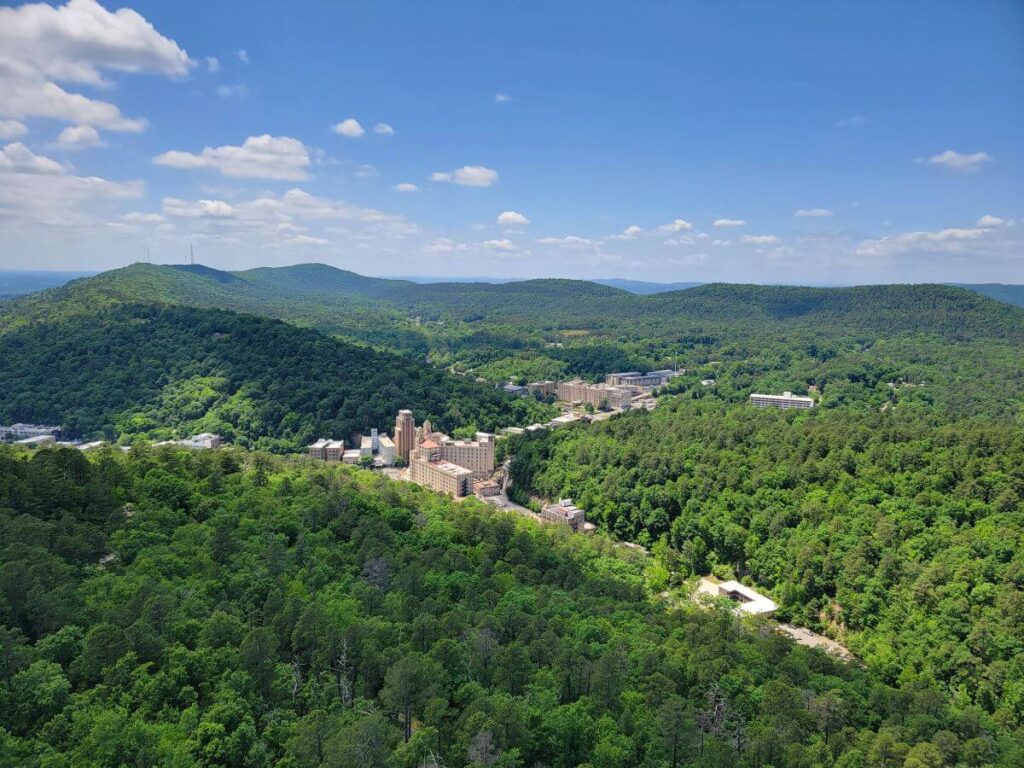
Hot Springs National Park
Differing from most national parks on this list, Hot Springs in Arkansas is most famous for its historical elements, namely a row of eight old bathhouses long heralded for their thermal waters. The buildings date to the late 19th and early 20th centuries, when this town was a thriving spa escape.
While only a couple of the bathhouses still offer soaking tubs and treatments, the others have been transformed into a cultural center, museum, luxury hotel, and the only brewery in a U.S. national park (they use thermal water to craft the drinks).
Aside from the historic downtown, Hot Springs National Park has 26 miles of hiking trails and an observation tower with 360-degree views from the top.
National Parks in California
Yosemite National Park
Yosemite National Park is the most popular one in California, known for its granite cliffs, towering waterfalls, and sequoia forests. Some of the best things to do include climbing El Capitan or the Half Dome, taking in the scenery at Yosemite Falls and Bridalveil Falls, and gazing out over Yosemite Valley from the Tunnel View lookout.
The park is at its busiest in the summer season, so reservations are required between late May and September. Early spring or fall is a better time for lower crowds.
These are the best national parks to visit in March
Joshua Tree National Park
Located in the Mojave and Colorado deserts of Southern California, Joshua Tree National Park features a landscape of prickly, twisting trees. Hiking, biking, birding, and stargazing are all popular things to do here. Trails lead through fields of cacti, to gold mines, and along rocky ridges with valley views.
Like other desert destinations in the West, it’s best to visit Joshua Tree in the late fall through early spring when the highs are below 90. In the summer, temperatures peak well over 100 degrees, making outdoor activities dangerous in the middle of the day.
Sequoia National Park
Located in the southern Sierra Nevada, Sequoia National Park and neighboring Kings Canyon are best known for their massive trees, but you’ll also find deep gorges, towering mountains, and quiet meadows.
Hiking, climbing, and caving are all popular activities here. You can also walk through the Giant Forest filled with over 2,000 sequoias, including the famous General Grant. The tallest peak in the lower 48, Mount Whitney, is also here, but permits are required to climb it.
Kings Canyon National Park
Often grouped together with neighboring Sequoia, Kings Canyon National Park covers a similar landscape of giant trees, caverns, canyons, and hills.
Some of the more popular day hiking areas here include the Giant Forest and Lodgepole, where you can climb up Moro Rock to see the Great Western Divide, Cedar Grove for rivers and waterfalls, and the Mineral King Valley for lakes and mountain scenery.
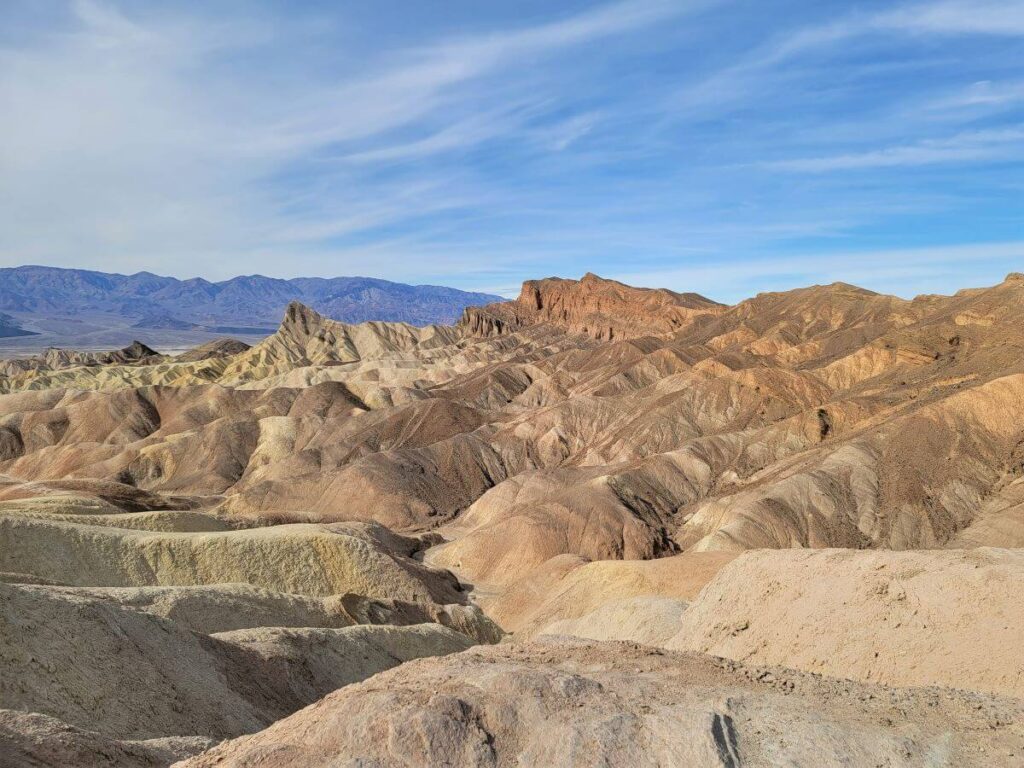
Death Valley National Park
The lowest spot in North America is located in Death Valley National Park at Badwater Basin, 282 feet below sea level. The landscape at the desert park on the Nevada and California border covers salt flats, sand dunes, colorful hills, and craters.
Some of the best things to do on a Death Valley itinerary include hiking in the Golden Canyon, stopping for views on the Artists Drive Scenic Loop, walking in the Badwater Basin, and watching the sunset from Dante’s View or Zabriskie Point.
As one of the hottest places on earth, Death Valley hits summer temps of 120 degrees or more. Visiting in winter and early spring is much safer and more comfortable!
Lassen Volcanic National Park
Hydrothermal features make up the landscape of Lassen Volcanic National Park in Northern California. You can hike up the dormant volcano or pick from about 150 miles of other hiking trails to alpine lakes, cedar forests, or geysers and bubbling springs.
The park is draped in snow throughout winter and spring, so it’s easier to visit in summer and early fall.
Redwood National Park
Redwood National and State Parks collectively cover a stretch of nearly 40 miles along the coast of Northern California. Named for the giant redwood trees that grow here, the park has trails that weave through the ancient forests and along rugged bluffs and beaches.
If you aren’t into hiking, there are also some incredibly scenic drives along steep ocean cliffs, through old-growth forests, and along prairies and meadows that bloom in spring.
Channel Islands National Park
This one-of-a-kind national park off the coast of Southern California is made up of five islands. Boats can guide you to each of them, or you can take a seaplane to Santa Rosa or San Miguel.
Popular activities include water sports, snorkeling, and hiking along the cliffs, bluffs and beaches.
Pinnacles National Park
The least visited of California’s national parks, Pinnacles is about midway between San Francisco and LA in the central part of the state. The mountainous and rocky landscape here consists of ancient volcanic spires.
Hiking is one of the best things to do here, with trails through forests and shrublands. This is also a great spot to look for endangered California condors.
National Parks in Colorado
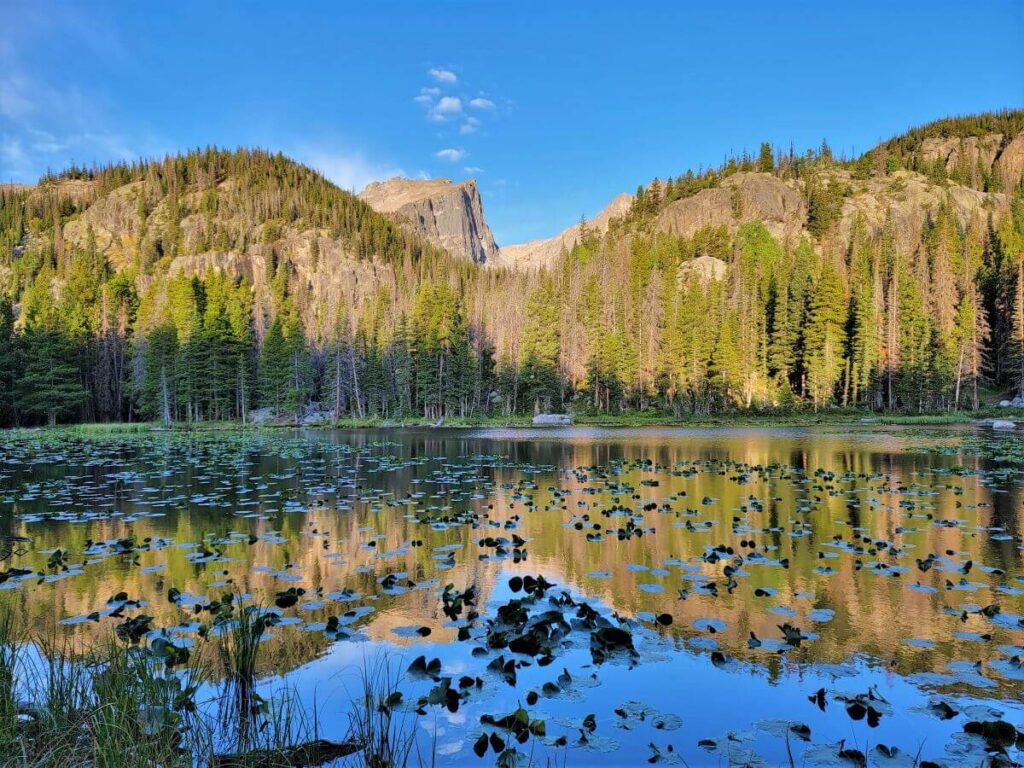
Rocky Mountain National Park
Covering more than 400 square miles of mountains, lakes and waterfalls, Rocky Mountain National Park is one of the most popular parks in the country for good reason. Here, you can hike to turquoise alpine lakes, climb mountain peaks, and drive twisting scenic roads with steep drop-offs.
About 70 miles west of Denver, the park has the perfect blend of family-friendly activities and hardcore adventures. On a first visit to Rocky Mountain National Park, you don’t want to miss the 48-mile drive on Trail Ridge Road, the hikes in the Bear Lake Corridor, and a walk up the Alpine Ridge Trail for 360-degree views from 12,005 feet up. And keep your eyes peeled for wildlife — elk, moose, mule deer and bighorn sheep all live here.
Make sure you make a reservation before you arrive during the busy season. The park uses a timed entry system between late May and early October.
The Best Colorado National Park Road Trip Itinerary
Mesa Verde National Park
Colorado’s Mesa Verde National Park preserves hundreds of archeological remains of the ancient Ancestral Pueblo. The cliff houses here built into rock faces are pretty impressive, and you can tour a few of them independently or with a guide.
Cliff Palace and Long House should be on your radar for a first-time visit, as should a stop at the Sun Point View on the Mesa Top Loop, where you can see about half a dozen ancient ruins. Mesa Top Ruins Road also has some beautiful vistas of the southwestern Colorado landscape, especially from the Park Point Lookout deck.
Black Canyon of the Gunnison National Park
Black Canyon of the Gunnison is somehow the least visited of Colorado’s national parks, even though the dramatic gorge here has some incredible views. The Gunnison River cuts through the landscape of rugged cliffs and dark rocky spires in western Colorado, creating a narrow canyon often shaded from the sun.
The North and South Rim of the gorge are a couple of driving hours from each other, so the South Rim is usually the best choice for a first visit as it has more easily accessible lookouts and hikes. Drive the 7-mile South Rim Road here for a dozen overlooks with short trails — the Painted Wall, Chasm View and Gunnison Point are a few favorites.

Great Sand Dunes National Park and Preserve
The remote Great Sand Dunes National Park and Preserve has dunes up to 750 feet high in a 30-square-mile sea of sand. The most popular things to do here are sandboarding down the hills and hiking along the ridges. In spring, you can also play in a creek that forms at the base of the dunes.
National Parks in Florida
Everglades National Park
Everglades National Park stretches over 1.5 million acres of marshes, mangroves and piney woods in southern Florida. Several endangered, threatened and vulnerable species call the wetland habitats home, including the American crocodile, green sea turtle, Florida panther and West Indian manatee.
Because much of the landscape is along waterways, kayaking and boating are popular activities here. But, you can also follow boardwalks and hiking trails in search of alligators.
Biscayne National Park
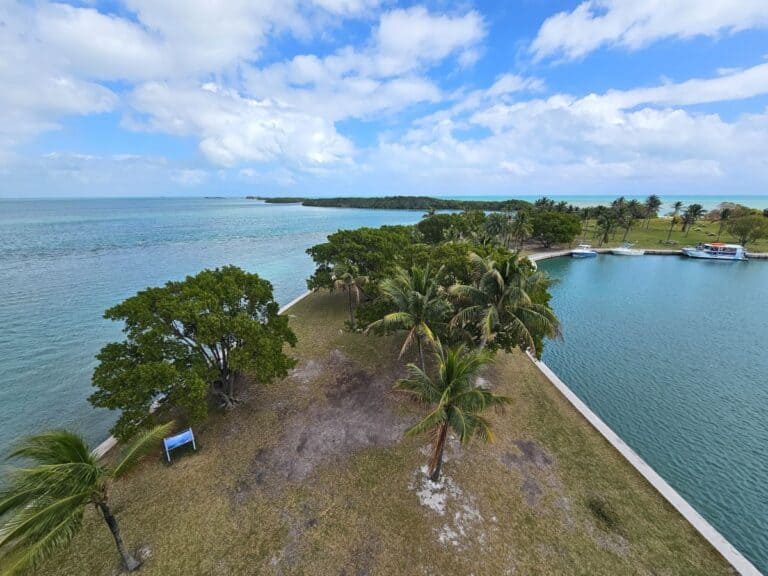
Just south of Miami, Biscayne National Park wraps in islands, mangroves and reefs in 250 square miles of water in the northern Florida Keys. Much of the park is only reachable by kayak, canoe or boat.
One unique feature of the park is the underwater trail that connects dive sites of shipwrecks and coral. You also don’t want to miss Elliot Key, a camping and hiking destination, the Boca Chita Lighthouse, and Stiltsville, six historic houses that appear to float on the bay.
The Biscayne National Park Institute offers eco-tours to some of the best spots.
Dry Tortugas National Park
About 70 sea miles west of Key West, Dry Tortugas National Park is only reachable by boat or seaplane. Because of this cost and ease barrier, the park of seven islands is one of the least popular in the country, with fewer than 100,000 visitors most years.
Snorkeling and diving along the coral reefs are two of the biggest activities here, as is historic Fort Jefferson on Garden Key. Day trips via boat and plane all land on this island for a few hours of exploration time. With advanced arrangements, you can also camp on Garden Key to spend more time here.
National Parks in Hawaii
Haleakala National Park
Haleakala National Park on Maui has two different sections — the Kipahulu District, a remote coastal area on the east end of the island, and the Summit District, consisting of a 10,023-foot tall volcano.
The sunrise view from the Haleakala summit is one of the most popular activities in the park. You need a permit to drive to the top during the early morning hours. Near the peak, you can also hike around volcanic landscapes and into craters.
Waterfall and rainforest hikes are in the Kipahulu area, which is known for the Seven Sacred Pools on the sea. This part of the park is just past the small town of Hana, a popular road-tripping destination on Maui.
Hawaii Volcanoes National Park
Hawaii Volcanoes National Park on the Big Island of Hawaii contains two of the most active volcanoes in the world — Mauna Loa, which covers about half of the island, and Kilauea, a young and very active shield volcano.
The park stretches from sea to summits that top 13,000 feet. Crater Rim Drive and Chain of Craters Road lead to caldera lookouts, lava tube caves, steam vents, and other volcanic landscapes. Some of the coolest hikes in the park are across the hardened lava lakes and up cinder cones. The availability of roads and trails in the park changes often due to volcanic activity.
National Parks in Indiana
Indiana Dunes National Park
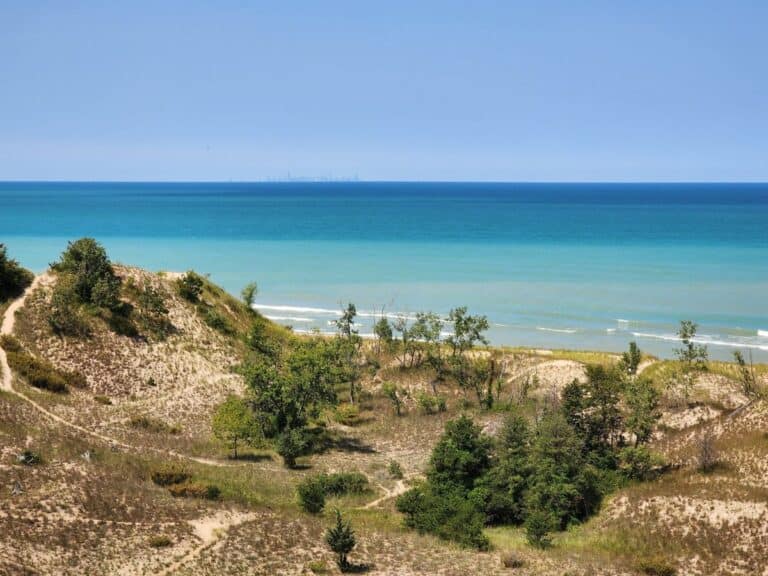
Located on the southern end of Lake Michigan, Indiana Dunes National Park covers 15 miles of shoreline. The park’s 15,000 acres also consist of wetlands, sandy hills, and prairies.
Though it’s small, the park is one of the most popular in the country, since it’s the only Indiana destination on this national parks list and is close to big cities like Chicago, just 50 miles away. You can visit the park for a beach day on the sand or hike along 50 miles of trails.
National Parks in Kentucky
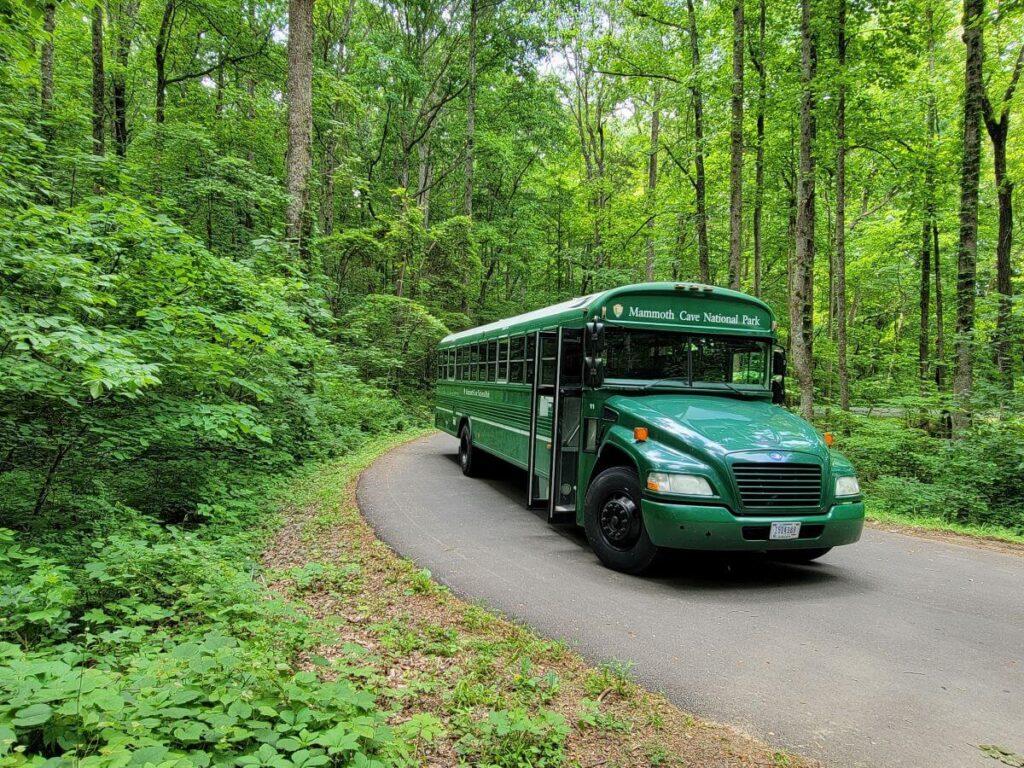
Mammoth Cave National Park
Mammoth Cave National Park in Kentucky has over 400 mapped miles of caves. Since the park is mostly underground, the best activity is the guided cave tours that lead to different sections. You can pick from easy and accessible options into a big cavern, more adventurous treks through tight passages and down winding staircases, or lantern-lit walks through less developed sections.
National Parks in Maine

Acadia National Park
Maine’s Acadia National Park is located on Mount Desert Island, with a stunning landscape of rocky coastline on the Atlantic. The only national park in the Northeast, it’s extra popular in summer for the weather and fall for the leaf-peeping.
Some of the best activities here include driving to the top of Cadillac Mountain for the sunrise (you’ll need a reservation during the high season), watching the sunset at the Bass Harbor Head Lighthouse, driving Park Loop Road to Sand Beach and Thunder Hole, and hiking the 150 miles of trails and carriage roads.
Acadia is one of the best east coast destinations on this national parks list!
National Parks in Michigan
Isle Royale National Park
One of the most remote and least-visited national parks in the U.S., Isle Royale is in Lake Superior in northern Michigan, a stone’s throw from the Canada border.
You’ll need to put in some effort to reach this one as you can only get there via boat, ferry or seaplane from a couple of ports in Michigan and Minnesota. Day-trippers can hike on the island or kayak the waterways, but there are also rustic campgrounds for more adventurous visits.
National Parks in Minnesota
Voyageurs National Park
Lakes and waterways make up most of Voyageurs National Park in northern Minnesota. There are a few trails and overlooks you can drive to on land, but most visitors head out on houseboats, private vessels or tours in the summer. In winter, the landscape becomes a snowy wonderland prime for snowmobiling, cross-country skiing, and snowshoeing. This is one of the least-visited on this national parks list.
National Parks in Missouri
Gateway Arch National Park
Unique among the 63 national parks, Gateway Arch is more about a monument with historic significance rather than a natural landscape. Located in St. Louis, Missouri, the park represents the westward expansion of the country, particularly the Lewis and Clark Expedition that set off from near here.
Built in the 1930s, Gateway Arch is the tallest steel monument in the U.S. at 630 feet. You can take a tram to the top to look out over the Mississippi River and downtown St. Louis.
National Parks in Montana
Glacier National Park
Glacier-topped mountains, sparkling lakes and verdant valley meadows fill Glacier National Park in northern Montana. One of the most popular destinations on this national parks list, it’s known for the 50-mile Going-to-the-Sun Road that peaks at 6,646-foot-high Logan Pass.
With over 700 miles of trails, hiking and biking are some of the best activities here, but you can also just enjoy the scenery from overlooks along the roads.
Soaring visitation in the short summer season means that you’ll need a reservation for some parts of this park. Going-to-the-Sun Road typically isn’t fully cleared for driving until late June and stays open until the first big snowfalls of October.
National Parks in Nevada
Great Basin National Park
Great Basin National Park is about 300 miles north of Las Vegas in the eastern Nevada wilderness. One of the least visited on this national parks list, it makes a great alternative to the super popular ones just across the border in Utah.
Wheeler Park Scenic Drive here leads up a mountain with overlooks along the way, and you can also hike amongst the landscapes of desert, pine groves and caves.
National Parks in New Mexico
White Sands National Park
White gypsum sand hills fill 275 miles of this park in southern New Mexico. The best way to enjoy the unique landscape is by sand sledding down the dunes, but you can also hike and bike on scenic paths throughout the park. Come around sunset for a striking scene of colorful skies contrasting the pale sand.
Carlsbad Caverns National Park
Carlsbad Caverns National Park has over 100 caves in southern New Mexico, including one of the biggest cave chambers in the U.S. You can enter the Big Room on your own with a timed reservation ticket or join ranger-led tours to caverns full of stalactites and stalagmites.
National Parks in North Carolina/Tennessee
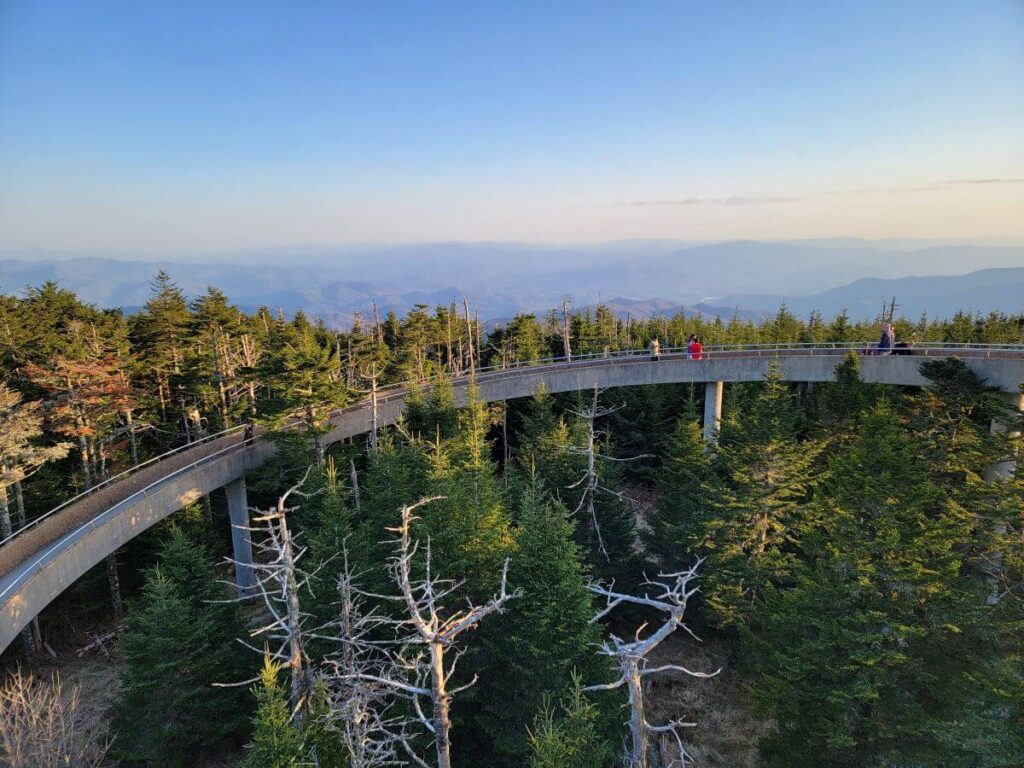
Great Smoky Mountains National Park
By far the most visited park on this national parks list, the Great Smoky Mountains covers over 500,000 acres on the North Carolina and Tennessee border.
First-time visitors should head to Clingmans Dome for a tower-top view of the landscape, drive through Cades Cove to see historic ranches and black bears, follow Little River Gorge Road for mini waterfalls and riverside picnicking, and hike to popular cascades like Laurel Falls, Grotto Falls, Rainbow Falls, and Abram Falls.
Elevated hikes like Chimney Tops, Courthouse Rock and Alum Cave Bluffs are along Newfound Gap Road, which cuts through the center of the park and has overlook pull-outs with views.
National Parks in North Dakota
Theodore Roosevelt National Park
Bison, deer, and elk call the prairies and badlands in North Dakota home, making Theodore Roosevelt National Park the picture of a classic Western landscape. The Scenic Loop Drive is the best place to start your adventure in the park. Ditch the car to hike some of the rocky trails or kayak down the Little Missouri River.
National Parks in Ohio
Cuyahoga Valley National Park
The Cuyahoga River flows through this national park in Ohio, forming the popular Brandywine Falls. While this may be the most-photographed spot, Cuyahoga National Park also has 125 miles of trails through wetlands and woodlands.
The park about 20 miles south of Cleveland is especially scenic in early fall when vibrant foliage fills the forests. Since it’s the only Ohio spot on this national parks list, it draws a lot of visitors!
National Parks in Oregon
Crater Lake National Park
The only Oregon option on this national parks list, Crater Lake is in the Cascade Mountains. The country’s deepest lake at 1,943 feet, the body of water is in a volcano caldera with an island in the center. Visitors to the national park can follow the 33-mile Rim Drive in summer for overlooks of the stunning blue water. Most park facilities are only available from around July to September after the snow has been cleared from roadways.
National Parks in South Carolina
Congaree National Park
Swampy Congaree National Park is in a floodplain of the Congaree and Wateree rivers. Boardwalks wind through old-growth bottomland forests here, but often flood. One of the best ways to explore is by kayak or canoe on one of the park’s paddling trails.
This is the only South Carolina destination on this national parks list!
National Parks in South Dakota
Badlands National Park
Over 244,000 acres of canyons and prairies fill Badlands National Park in remote western South Dakota. Scenic drives in search of bison and bighorn sheep are popular, but you can also bike, camp, and horseback ride. Be sure to stop by the exhibit trail and fossil lab to see what has been uncovered in the park.
Wind Cave National Park
Wind Cave National Park is one of the oldest in the U.S. and preserves one of the longest caves in the world. Visitors can only head underground on guided tours, but above-ground hiking landscapes include forests and prairies where bison roam.
National Parks in Texas
Big Bend National Park
Over 150 miles of trails are in Big Bend, a remote national park in southwest Texas on the Mexico border. With more than 800,000 acres of mountains, deserts, canyons, and the Rio Grande, the options for adventure here are pretty endless.
Guadalupe Mountains National Park
The tallest peaks in Texas are in Guadalupe Mountains National Park, just a couple of hours from El Paso in the western part of the state. The desert and canyon landscapes and the lack of crowds make it feel like you’re in the middle of nowhere.
For a little adventure, the 4.2-mile hike up Guadalupe Mountain is one of the best things to do here.
National Parks in Utah
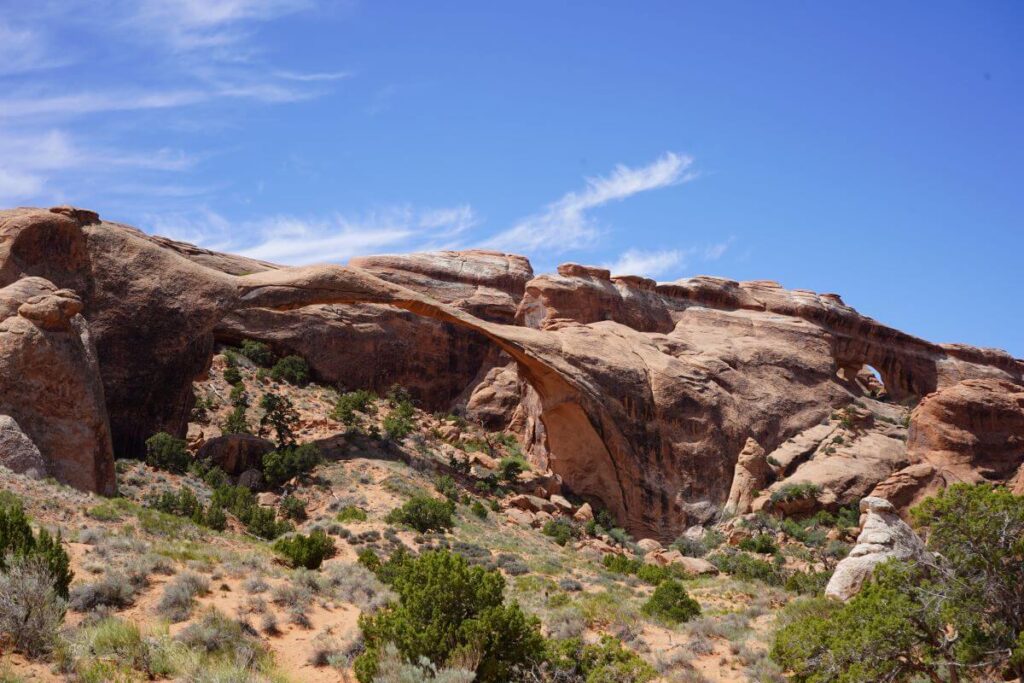
Arches National Park
More than 2,000 sandstone arches give this national park near Moab, Utah, its name. The 17-mile scenic road through the park has overlooks of towering columns and Balanced Rock. But, you definitely want to get out of the car and onto the trails here, too.
Some of the best hikes in the park are the easy walks to Double Arch, the Windows, and Landscape Arch. More challenging bucket-list treks go to Double O Arch and the famous Delicate Arch.
Bryce Canyon National Park
Utah’s Bryce Canyon National Park is best known for its orange-tinted hoodoo rock formations. You stare down into the spire-filled basin from a handful of easily-accessible lookouts like Sunset, Inspiration and Bryce Point.
Even better, though, are the hikes down into the canyon, where you can walk through tunnels and alongside the hoodoos on the Queen’s Garden, Navajo Loop, and Peek-A-Boo Loop trails. The park in southern Utah is about an hour from Zion, making them easy to see on the same trip.
This one day in Bryce Canyon itinerary will help you plan a trip!
Canyonlands National Park
Canyonlands National Park has several sections you can visit along the Colorado and Green rivers, but it’s the Island in the Sky district near Moab, Utah, that most first-timers head for. The dramatic landscape of mesas, buttes, arches and gorges is visible from easy lookouts. Or, ramp up the adventure on dirt roads that weave down into the canyon and trails along the ridge.
Capitol Reef National Park
Surrounded by canyons, deserts, and national recreation areas, Capitol Reef National Park is one of Utah’s most scenic parks. The landscape includes golden and red sandstone canyons, natural bridges, domes, and cliffs. The National Park Service calls it “a wrinkle on the earth.”
There are about 15 different day hikes in the park. A couple of popular ones include a climb up to Cassidy Arch and a walk through the Grand Wash gorge. In a more remote section of the park, the unpaved Cathedral Valley drive crosses alongside towering monoliths. The historic Gifford Homestead and its famous pies are also a must while you’re here.
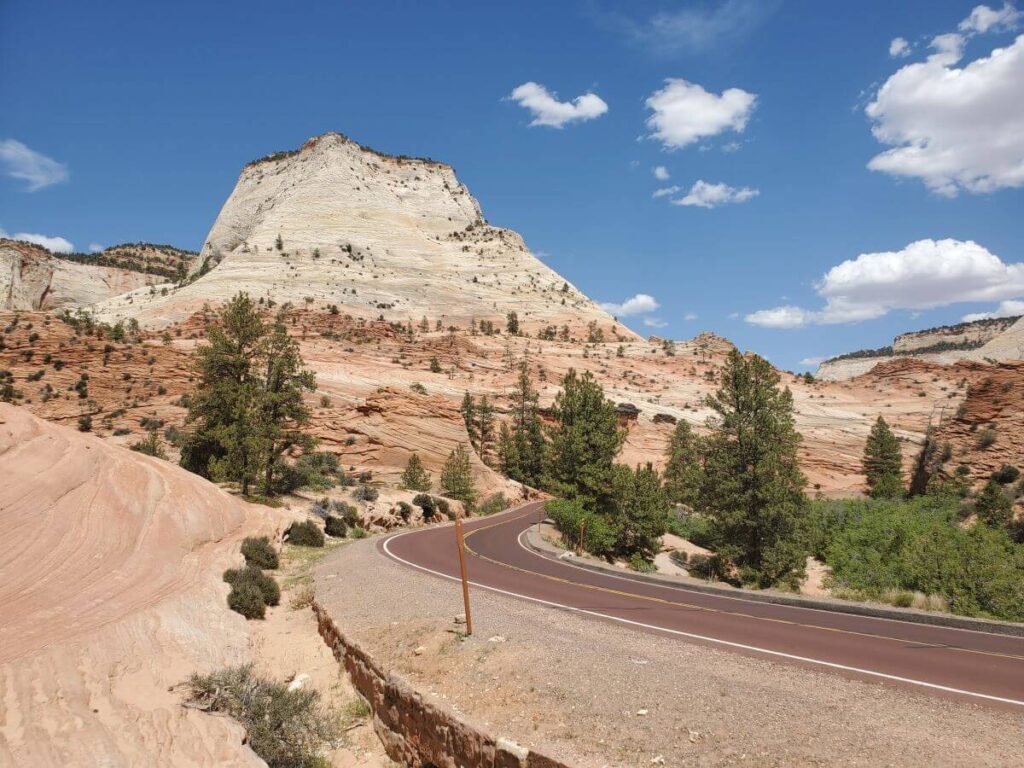
Zion National Park
Famous hikes like Angel’s Landing and The Narrows draw big crowds to Zion National Park, where red and pink cliffs rise above the Virgin River. You can’t miss a drive on the historic Zion-Mount Carmel Highway, but the best things to do here are on foot. A few of the best hikes are the Canyon Overlook Trail, a walk through the water on The Narrows, the Emerald Pools and Falls, and the West Rim Trail to the narrow ridge of Angel’s Landing (permit required).
Zion and all of the Utah national parks are easy to combine on one Grand Circle road trip.
National Parks in Virginia
Shenandoah National Park
Skyline Drive is the main attraction at Shenandoah National Park, the only Virginia destination on this national parks list. The 105-mile road runs through Virginia’s Blue Ridge Mountains with densely forested scenery that draws big crowds come fall. Over 500 miles of hikes here lead up the hills and to waterfalls. A portion of the Appalachian Trail crosses through the park as well.
This is one of the best East Coast national parks for hiking and scenic drives.
National Parks in Washington
Mount Rainier National Park
Mount Rainier National Park covers over 200,000 acres of wilderness and the 14,410-foot volcanic peak the park is named for. With 260 miles of trails, hiking options include treks to rainforests, waterfalls, lakes, and meadows. With a climbing permit, you can also attempt to summit the glacial tip of Mount Rainier.
North Cascades National Park
While it’s only 100 miles northeast of Seattle, the alpine wilderness of North Cascades National Park is one of the least visited parks in the country. The rugged mountains, glaciers, forests and lakes here border Canada, with seemingly endless options to explore.
Over 400 miles of trails make this a hiker’s paradise, and local outfitters also host backpacking, climbing, and rafting trips. Summer is the ideal season to visit as most roads close in winter. You don’t have to worry about crowds since fewer than 50,000 people make it out here most years.
Olympic National Park
Filling a million acres on a peninsula west of Seattle, Olympic National Park packs in rainforests, Pacific coastline, and mountains. Adventures in the park range from walks through the lush forests to boating and fishing on the lakes to backpacking and hiking up the Olympic Mountains. The island is known for its precipitation, so expect rain and snow throughout the year.
National Parks in West Virginia
New River Gorge National Park and Preserve
Previously a national river, New River Gorge is now the newest national park, located in southern West Virginia. The park is known for its whitewater, so rafting is a popular activity here. You can also hike above the river and snap photos at the New River Gorge Bridge arching across the waterway.
National Parks in Wyoming
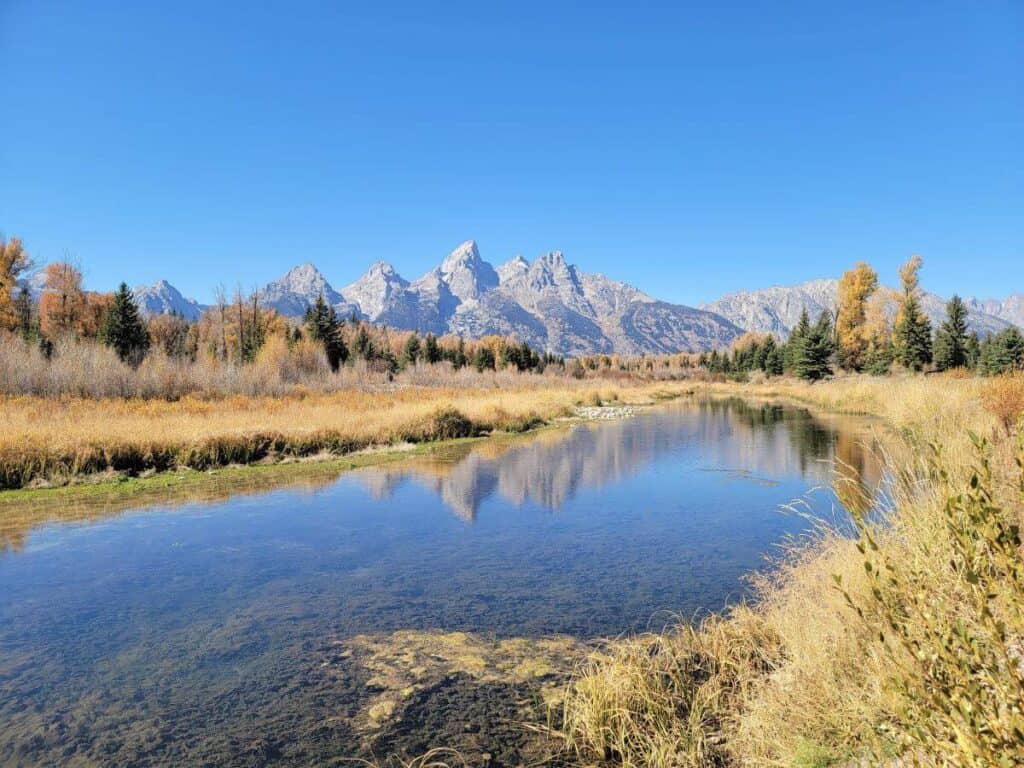
Grand Teton National Park
Neighboring Yellowstone in Wyoming, Grand Teton National Park is recognizable for its pointy mountain peaks and reflective lakes. The easily accessible park has incredible vistas from lookouts just off the highway, Teton Park Road, Jenny Lake Road, and Signal Mountain Road.
Make a point to stop at spots like Schwabacher Landing and the Snake River Overlook for water views and Mormon Row for historic homesteads backed by a row of mountains.
The hiking here is incredible, too, with dozens of trails leading to alpine lakes and waterfalls. Fall is a great time for wildlife watching, as bison migrate through and elk and moose hunt for mates.
Yellowstone National Park
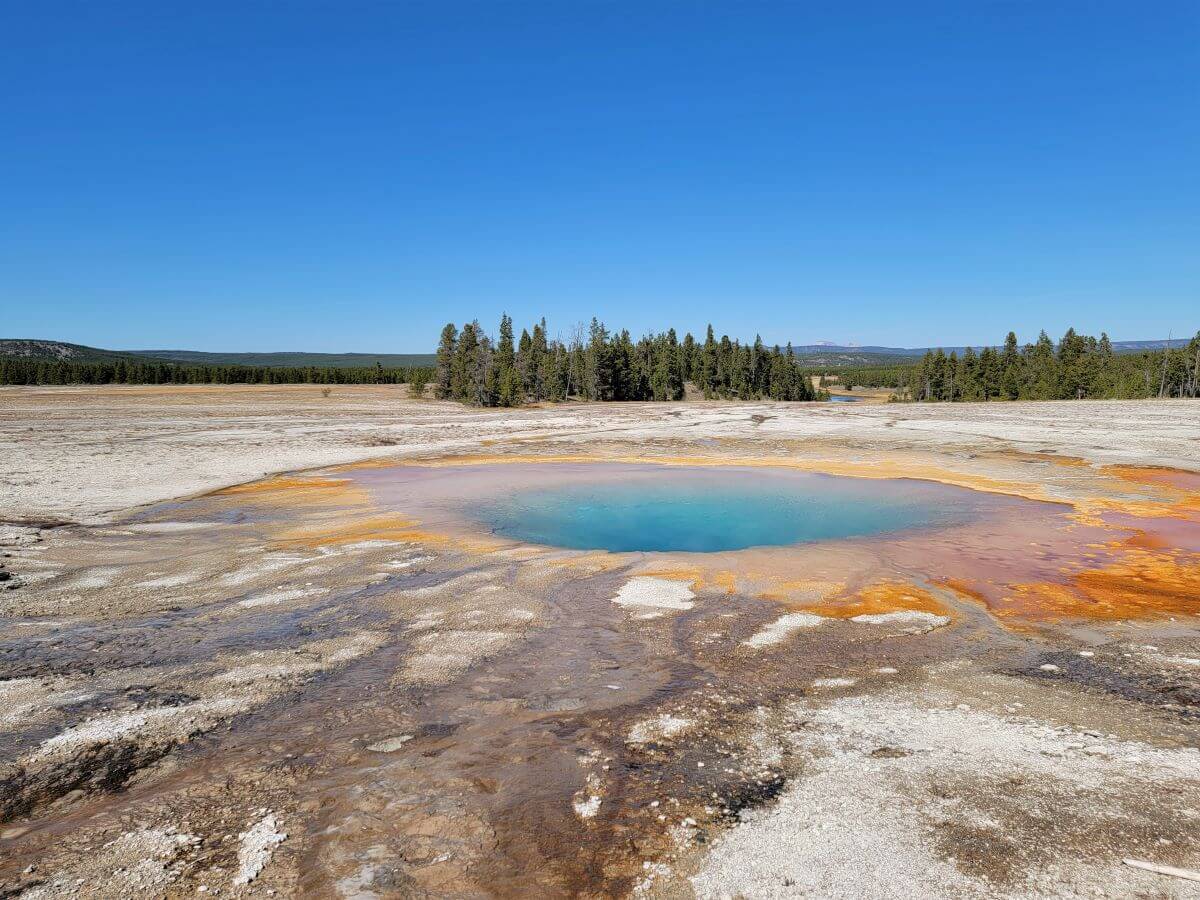
The first national park in the U.S. and one of the most popular on this national parks list, Yellowstone makes a big impression, with mountains, lakes, waterfalls and hydrothermal features. Head to the Upper, Lower, Norris and West Thumb geyser basins to see everything from boiling mud pots to turquoise springs to shooting geysers, including the famous Old Faithful that erupts at regular and predictable intervals.
You also don’t want to miss sunrise and sunset wildlife drives in the Lamar Valley and Hayden Valley to look for bison and antelope. The park peaks in popularity in the summer, so visit in the shoulder months of spring and early fall to avoid the crowds.
Yellowstone National Park stretches into parts of Montana and Idaho as well, but most of it is located in Wyoming.
National Parks in U.S. Territories
Virgin Islands National Park
While this is a list of national parks by state, a couple of parks in the system are in outlying areas, like Virgin Islands National Park in the Caribbean Sea.
Located on St. John in the U.S. Virgin Islands, the landscapes here include tropical forests, sandy beaches and historic sugar plantations. About two-thirds of the island is national park land, so the protected bays are ideal for reef snorkeling.
National Park of American Samoa
Another outlier on this national park list by state and far from the mainland U.S., National Park of American Samoa is in the South Pacific Ocean, with three islands full of sandy beaches and rainforests. Hiking and snorkeling are prime here, with coral reefs in the surrounding waters.
Due to its remote locale, this is one of the least visited national parks in the system. You also need a passport to land here.