12 of the Best National Parks to Visit in July in the USA
These are some of the best national parks to visit in July for sunshine, wildflowers, and mountain views.
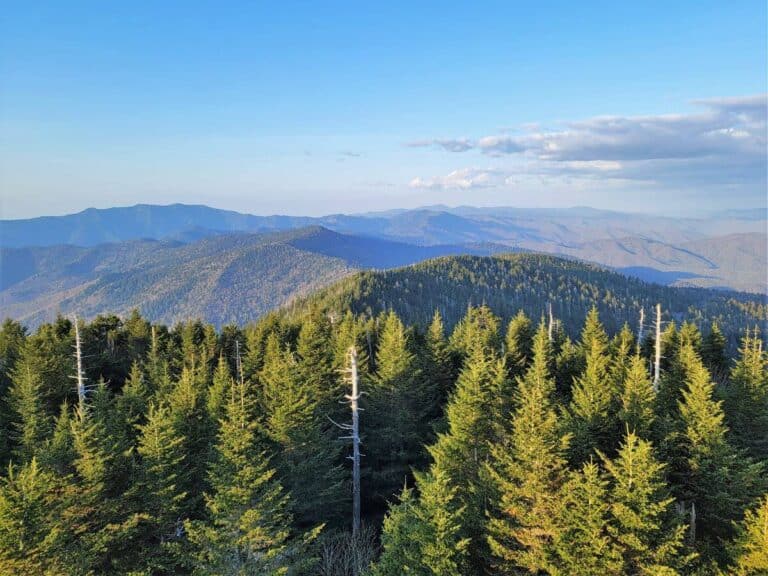
July is the peak of summer, when mountain snow melts to reveal wildflower meadows, alpine lakes glisten under the sun, and long daylight hours offer extra time on the trails. This is the month when some of the most stunning national parks show their true colors.
July also happens to be one of the busiest months of the year at many national parks, with families out of school and travelers hitting the road for their summer vacations. That said, some incredible parks fly under the radar even during peak season, offering stunning landscapes and fewer people if you know where to look. Our roundup of the best national parks to visit in July includes a mix of popular spots that are worth the effort in summer, and some of the least-visited destinations to help you avoid the crowds.
Whether you’re chasing towering peaks carpeted in flowers, pristine Alaskan wilderness, or cool adventures on the water, July delivers some of the year’s best national park experiences.
From alpine landscapes in the Pacific Northwest to an underwater playground in Florida, these are some of the best national parks to visit in July in the USA.
Best National Parks in July
These U.S. national parks for July showcase mountain majesty, wildlife viewing, and summer adventures at their finest.

Rocky Mountain National Park, Colorado
Rocky Mountain National Park spans the Continental Divide in the heart of Colorado, protecting more than 265,000 acres of tundra, pristine lakes, waterfalls, and dramatic peaks. Trail Ridge Road, the main scenic drive, climbs to over 12,000 feet elevation and provides access to the park’s alpine areas. It’s referred to as the “highway to the sky,” with dramatic views along the winding road.
The park’s 350-plus miles of trails include family-friendly scenic walks and challenging hikes with thigh-burning elevation gain. Emerald Lake, Bear Lake, and Sky Pond are popular destinations with stunning mountain views. The park is also a great spot for wildlife watching, with elk, mule deer, and bighorn sheep a popular sighting, particularly in early morning and evening. Even in the town of Estes Park just outside the park, you’ll often see big herds of elk crossing the street or grazing in a field.
Here’s how to plan a Colorado national parks road trip!
Why Visit Rocky Mountain National Park in July
By July, Trail Ridge Road is fully passable (dates vary but it’s typically open by late May), giving access to the park’s highest elevations and most iconic viewpoints. Wildflower displays in the alpine tundra are spectacular around this time, with hardy flowers blooming across the open meadows above the treeline.
July offers excellent weather for hiking, though afternoon thunderstorms are common at higher elevations. Wildlife is very active as animals graze in the meadows. Rocky Mountain does see peak summer crowds, so arriving early in the day and hitting less popular trails helps. Be sure to reserve your timed entry permit well in advance!
North Cascades National Park, Washington
North Cascades National Park protects dramatic jagged peaks, pristine alpine lakes, and over 300 glaciers in northwestern Washington. Often called the “American Alps,” the park features some of the most stunning mountain scenery in the country.
Highway 20, the main scenic drive through the park, climbs to Washington Pass and provides access to incredible viewpoints and trailheads. Diablo Lake, with its iconic turquoise waters, is a must-see, accessible from viewpoints near the highway. Hikers can tackle the popular Cascade Pass Trail through alpine meadows with mountain views all around.
The park offers everything from easy scenic walks to challenging backcountry treks, plus opportunities for mountaineering, kayaking, and fishing in pristine alpine lakes.
Why Visit North Cascades National Park in July
By July, the high alpine passes and trails are snow-free and fully accessible, revealing the park’s stunning alpine scenery. This is one of the sunniest months of the year in the Pacific Northwest, increasing your chances of clear skies and unobstructed views of the jagged peaks. Wildflowers bloom abundantly in the subalpine meadows, painting the landscape with color.
As one of the least visited national parks in the Lower 48, North Cascades sees fewer crowds than other mountain parks during peak season. This makes July an excellent time to experience dramatic alpine scenery without battling the massive crowds that descend on parks like Rocky Mountain and Mount Rainier.
Mount Rainier National Park, Washington
Mount Rainier National Park protects nearly 370,000 square miles of the Cascade Range surrounding the iconic Mount Rainier, a glaciated volcano peak that rises more than 14,000 feet above sea level. From wildflower meadows exploding with color to old-growth forests, the park showcases the dramatic diversity of the Pacific Northwest.
A scenic drive leads to the aptly named Paradise, where trails wind through brilliant subalpine meadows in July. The Skyline Trail loop to Panorama Point is one of the most popular hikes, showcasing the park’s legendary wildflower displays. For more adventurous visitors, trails climb toward glacier-carved lakes and alpine passes with panoramic mountain views.
The park also offers opportunities for camping, mountaineering, and wildlife watching.
Why Visit Mount Rainier National Park in July
July is when Mount Rainier experiences its wildflower bloom, with the most colors typically toward the middle to end of the month. The subalpine meadows transform into a painter’s palette of lupine, paintbrush, and countless other wildflowers in brilliant purples, reds, and yellows. By July, most high-elevation roads are fully open and snow-free from the previous winter, giving you complete access to the park’s alpine areas.
The weather is generally pleasant with mild temperatures perfect for hiking, and July is one of the sunniest months of the year.
Voyageurs National Park, Minnesota
Voyageurs is a water-based park spanning over 200,000 acres of interconnected lakes, streams, forested shorelines, and quiet islands along the Canadian border in northern Minnesota. The park is unique among national parks in being accessed primarily by water rather than roads.
Visitors explore the park via canoe, kayak, motorboats, and water taxis, accessing remote backcountry campsites and hiking trails. The park protects pristine wilderness with minimal development, creating a true backcountry experience. Wildlife including loons, beavers, and moose all live here, and the park is known for exceptional fishing.
Ranger guided boat tours are offered in the summer season from a few different points if you don’t want to explore on your own.
Why Visit Voyageurs National Park in July
July brings warmer temperatures and the best weather for water-based exploration and camping. Even in peak season, this is one of the least crowded national parks to visit in July the Lower 48, due to the effort required to access it by water. If you’re seeking solitude in a stunning natural setting, Voyageurs delivers an authentic wilderness experience.
The long summer days also provide extended time to enjoy the outdoors. Wildlife is very active in July, with moose visible in wetlands and loons calling across the lakes.
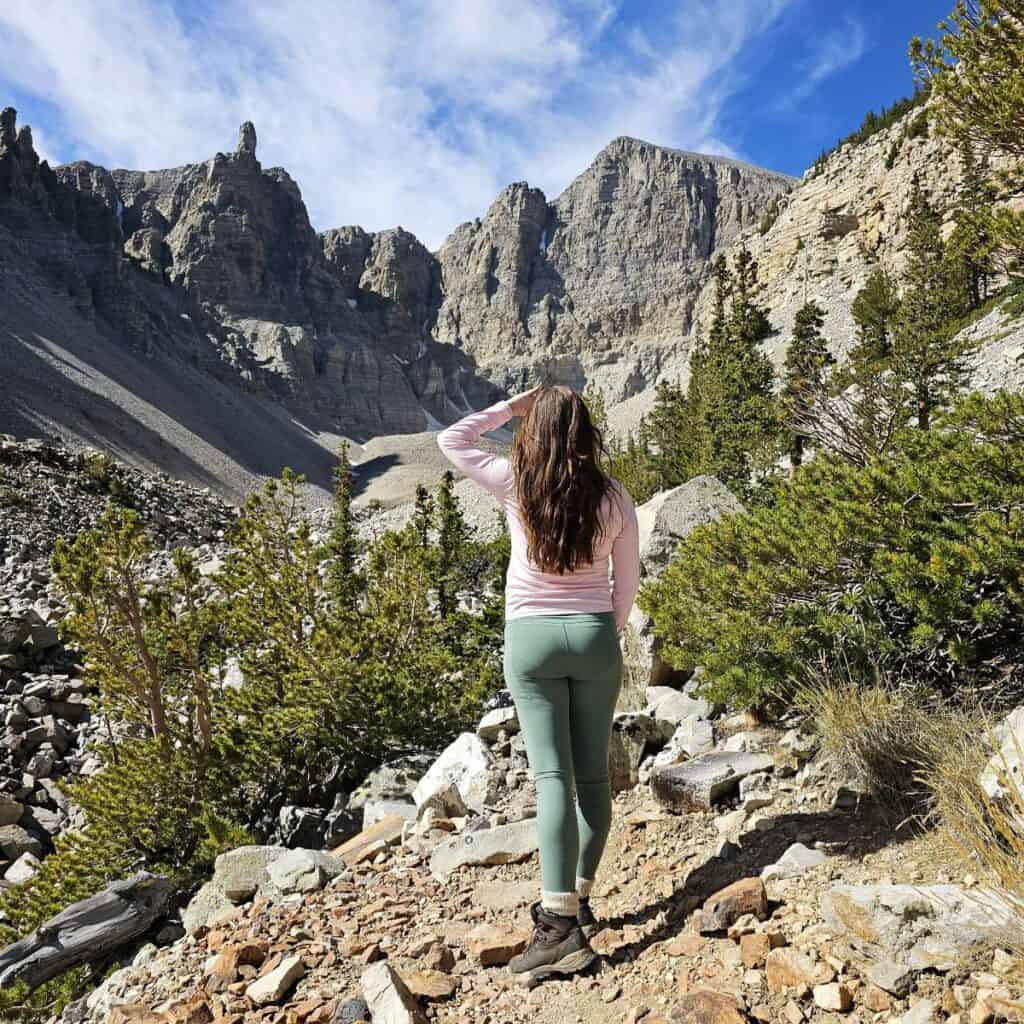
Great Basin National Park, Nevada
Great Basin protects stunning alpine scenery, ancient bristlecone pine forests, and the impressive Lehman Caves. The park encompasses a range of elevations creating diverse ecosystems, from desert basin to soaring peaks.
The scenic road climbs from the desert to the high elevations of Wheeler Peak, revealing dramatic landscape changes and providing trailhead access. Stella Lake and Teresa Lake are popular destinations with stunning views that you can reach on the Alpine Lakes Loop. The Bristlecone Trail leads to ancient pines, some of the oldest living organisms on Earth. Adventurous hikers can take on the trail to the summit of Wheeler Peak, which is just over 13,000 feet high.
Lehman Caves features colorful formations and underground chambers that you can see on guided tours. The park is also recognized as an International Dark Sky Park, with exceptional stargazing opportunities.
Why Visit Great Basin National Park in July
Even though Nevada’s deserts are stiflingly hot in summer, Great Basin’s high elevation (over 10,000 feet at the scenic drive endpoint) provides cool mountain temperatures perfect for escaping summer heat. July offers excellent weather for exploring the alpine areas, with clear skies for photography and stargazing. The park receives minimal visitors even in summer, so it’s a great option for when popular parks are packed with people.
Glacier National Park, Montana
Glacier National Park spans over 1 million acres in northwestern Montana, protecting pristine alpine meadows, glacier-fed turquoise lakes, and towering mountain peaks. The crown jewel, Going-to-the-Sun Road, is a 50-mile scenic drive that winds through the park with breathtaking views at nearly every turn.
The park offers over 700 miles of trails ranging from easy lakeside walks to challenging alpine passes. Logan Pass sits at 6,646 feet at the peak of the Going-to-the-Sun Road, with a visitor center and trailhead. Saint Mary Lake and Lake McDonald are both popular destinations for hiking and photography.
Wildlife abounds in Glacier, including grizzly bears, mountain goats, bighorn sheep, and wolves. This is actually one of those destinations where it’s advisable to carry bear spray, especially if you’re hiking or camping.
Why Visit Glacier National Park in July
Wildlife viewing is exceptional in July when creatures are active and visible in open meadows and valleys. July is also the first safe month to anticipate Going-to-the-Sun Road to be fully open and snow-free – it typically opens for the season sometime in June. Wildflower displays are spectacular, carpeting alpine meadows in brilliant colors that make photography incredible.
Glacier sees significant summer crowds, but experiencing the park in full bloom with all roads accessible is worth navigating the logistics. If you visit mid-week or plan activities for early morning, you can avoid the heaviest crowds while still enjoying complete access to this dramatic mountain landscape.
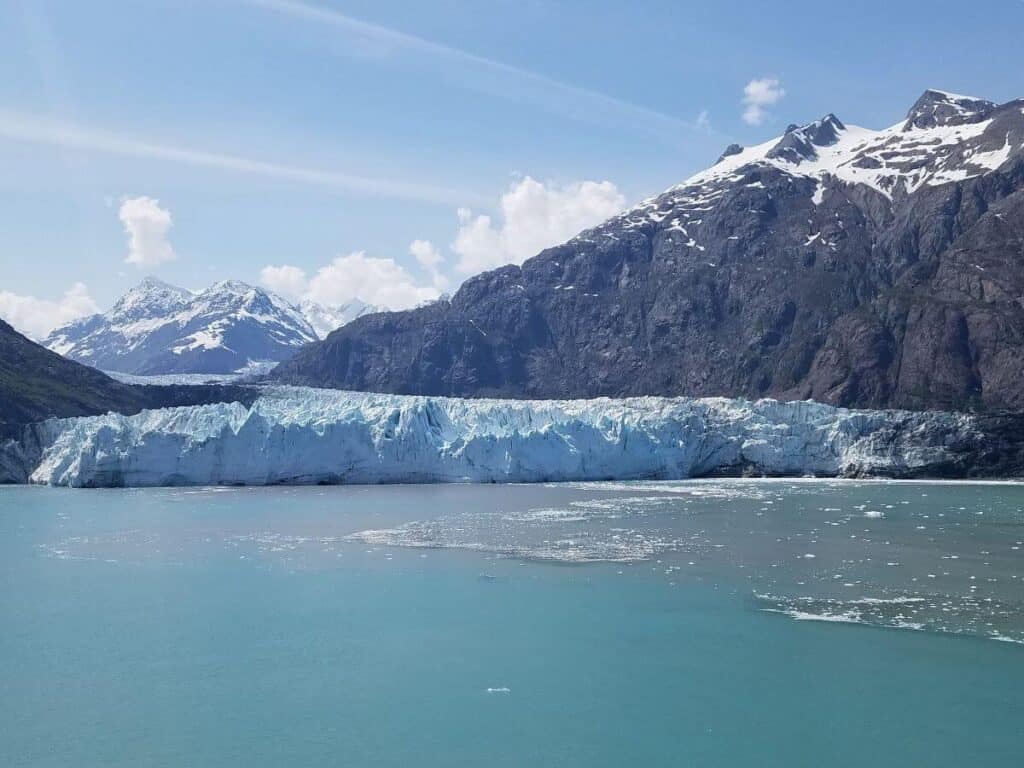
Glacier Bay National Park, Alaska
Glacier Bay protects a breathtaking coastal landscape of tidewater glaciers, pristine wilderness, and abundant wildlife in southeast Alaska. The park is one of the most remote and least accessible national parks, reachable primarily by cruise ship or ferry from nearby Juneau.
Massive tidewater glaciers calve icebergs into the bay, and endangered humpback whales, sea otters, and harbor seals are frequently spotted in the cool waters. The park encompasses diverse ecosystems from temperate rainforests to ice-covered peaks, offering scenery that feels untouched by development.
Most visitors experience the park from the deck of a cruise ship, where park rangers provide onboard interpretation and guide passengers through the bay’s narrow waterways. The number of cruise ships allowed in each day is extremely limited, so if you plan to visit this way, carefully check your Alaska cruise itinerary to make sure it includes the park. The park also allows independent backcountry camping and kayaking for adventurous travelers.
Why Visit Glacier Bay National Park in July
July offers the best weather for viewing glaciers and marine wildlife in this remote Alaskan park. The brief summer season (May through September) is when most cruises operate and when the park’s transportation services are available. Humpback whales return to Southeast Alaska in late spring and summer to feed, creating excellent whale-watching opportunities.
The long summer days also provide extended time to explore from your cruise ship or lodge.
Katmai National Park and Preserve, Alaska
Katmai is one of the coolest bear-viewing destinations in the world, and a bucket list national park to visit in July. The park encompasses diverse Alaskan landscapes from volcanic terrain to glacier-shaped coastline of fjords and valleys. The main draw, though, is watching brown bears catch salmon at Brooks Falls.
Brooks Camp, the most accessible area of this remote park, sits on Brooks Lake where bears congregate to fish during the salmon run. A series of elevated viewing platforms provide safe observation areas where you can watch bears fishing for hours. Peak bear activity occurs in July when the first salmon run arrives, attracting large concentrations of bears.
The park receives few visitors due to its remote location, requiring expensive flights on small planes and limited transportation within the park. The experience feels like stepping into true Alaskan wilderness while still maintaining access to basic facilities and structured programs.
Why Visit Katmai National Park in July
Mid-July is prime time for bear viewing at Katmai. The salmon run peaks in July, drawing the largest concentrations of bears to Brooks Falls. This is when you’ll see the most bears and the best fishing behavior — bears jumping to catch salmon mid-air or waiting patiently in the water.
July also offers extended daylight hours (17 to 18 hours for most of July), maximizing your observation time. The weather is warmer than other Alaska seasons, though still pretty chilly with highs topping out in the low 60s. Viewing bears at their most active and abundant is an unforgettable experience that justifies the effort and expense of reaching this remote park.
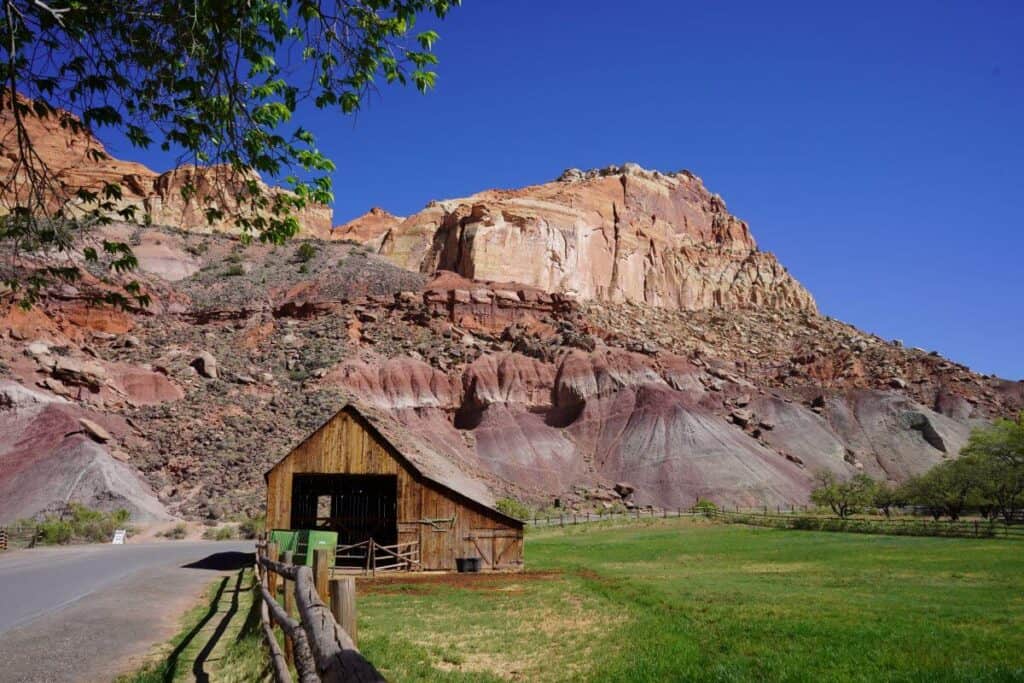
Capitol Reef National Park, Utah
Capitol Reef protects a scenic landscape of colorful cliffs, towering rock formations, and narrow slot canyons. The park’s name comes from the white domed sandstone formations resembling a capitol building and the Waterpocket Fold, which was referred to as a reef in the early days.
Scenic Drive in the park winds nearly 8 miles along the park’s colorful cliffs, passing numerous pullouts, trailheads, and unpaved spur roads. Grand Wash and Cassidy Arch are popular moderate hikes accessing red rock scenery. For more adventurous visitors, slot canyons offer narrow passages and technical scrambling through stunning erosional features.
The historic Fruita district contains orchards and homesteads from the early settlement era, offering a glimpse into pioneer life in the remote desert landscape. You must grab a pie from the Gifford Homestead while you’re there, but go first thing in the morning before they sell out.
Why Visit Capitol Reef National Park in July
July is hot in southern Utah’s desert parks, but when you’re looking for national parks to visit in July, Capitol Reef is way less crowded than nearby Zion or Bryce Canyon. Early morning starts help you avoid both crowds and the most intense midday heat. The colorful rock formations photographed in morning and evening light are absolutely stunning.
Capitol Reef remains one of the lesser-known Utah national parks, meaning you can experience incredible red rock scenery with more solitude than more famous destinations.
Lassen Volcanic National Park, California
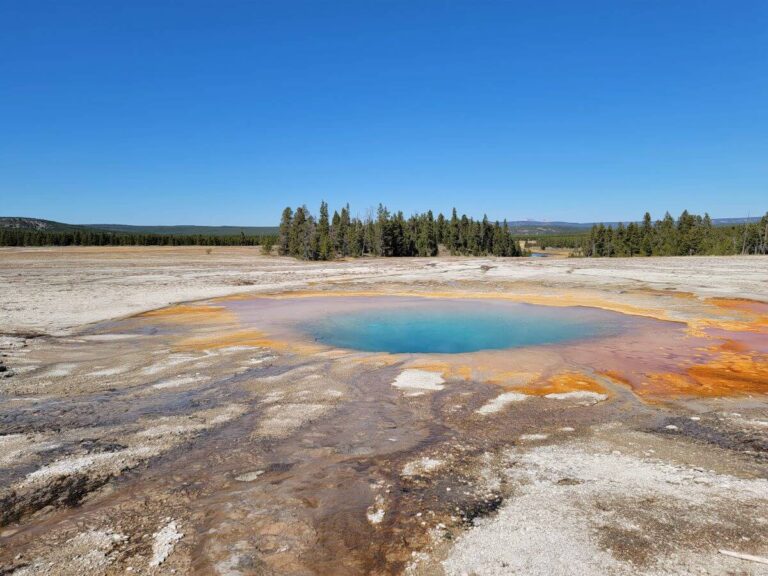
Lassen Volcanic showcases volcanic features and hydrothermal wonders similar to Yellowstone, but with a fraction of the summer crowds. The northern California park contains all of the four different volcano types found on Earth and displays steaming mud pots and boiling hot springs across its landscape.
Lassen Peak, a 10,457-foot plug dome volcano that last erupted in 1917, dominates the park. The Lassen Peak Trail climbs 5 miles roundtrip to the summit with panoramic views. Bumpass Hell Trail descends into a hydrothermal zone of steaming vents and mud.
Scenic overlooks, lakes, wildflower meadows, and trailheads line the 30-mile Lassen Volcanic National Park Highway.
Why Visit Lassen Volcanic National Park in July
Lassen gets significantly fewer crowds than Yellowstone despite offering similar geothermal features and mountain scenery. In July, the park road is fully open and trails are generally snow-free, though some higher elevations may still have patches into the summer months. Bumpass Hell Trail, the park’s signature geothermal hike, often opens by mid-July once heavy snow melts, but some super heavy snow years have pushed that into August and even September.
Wildflowers peak in the subalpine areas between July and September, creating colorful meadow displays. The park is great for dark skies and stargazing, and there are often ranger-led viewings and programs in July.

Biscayne National Park, Florida
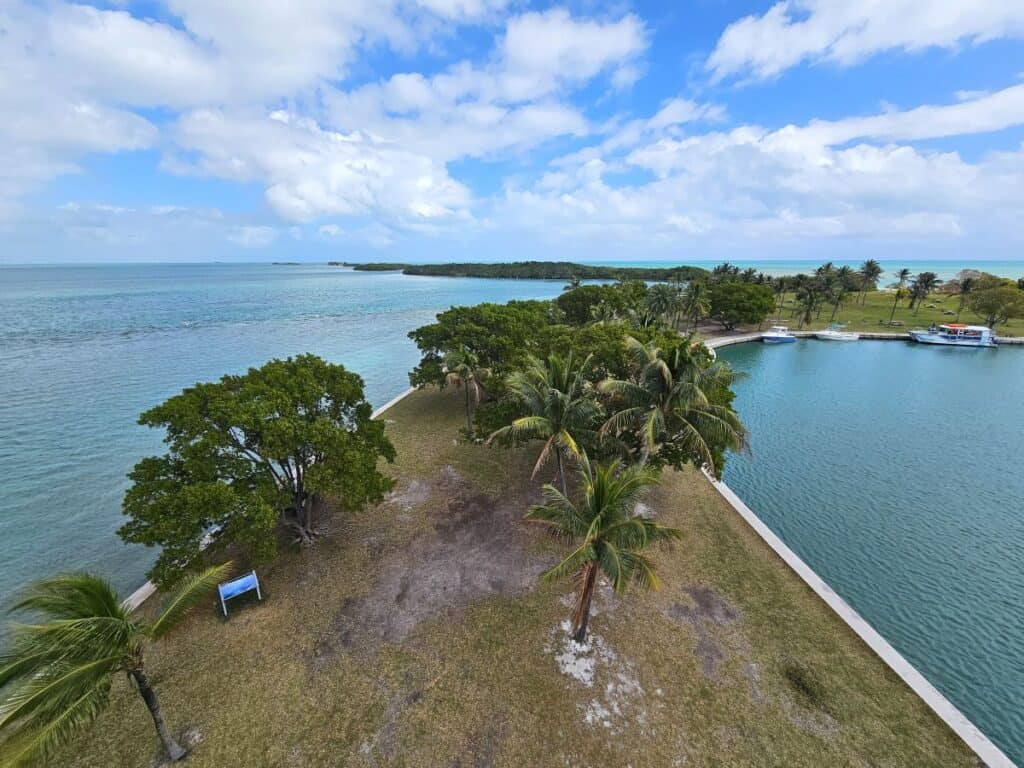
Biscayne protects shallow tropical waters, coral reefs, mangrove shoreline, and keys off Miami’s coast. The park consists of 95 percent water, making it accessible primarily by boat. Coral formations, colorful tropical fish, and clear blue waters create a Caribbean-like environment.
Snorkeling and diving along reefs and shipwrecks are the primary park activities, along with kayaking and boat tours to a couple of islands. Wildlife includes sea turtles, manatees, and numerous fish species.
Park visitor facilities are minimal – the Dante Fascell Visitor Center south of Miami has a small museum and boardwalk, and is one of just a couple of launch points for guided tours with the Biscayne National Park Institute.
Why Visit Biscayne National Park in July
Biscayne is one of the best national parks to visit in July for its water activities. July brings warm water temperatures perfect for snorkeling and diving in the tropical coral reef ecosystem. Though summer is super hot and sunny outside in South Florida, the water activities are the perfect way to cool off. Visibility is generally good, allowing you to see colorful coral formations and tropical fish.
Theodore Roosevelt National Park, North Dakota
Theodore Roosevelt protects rugged badlands terrain and mixed-grass prairie in North Dakota. The North and South Units each offer scenic drives, overlooks, and hiking trails accessing badlands formations and prairie views.
Wildlife viewing is exceptional, with bison, wild horses, prairie dogs, and mule deer frequently visible. The park offers a genuine backcountry experience with fewer tourists than more famous western parks.
The colorful badlands formations photographed in golden hour light create stunning images. Historic sites and ranger programs provide context for the park’s natural and human history.
Why Visit Theodore Roosevelt National Park in July
Theodore Roosevelt is one of the most underrated national parks, with less than a million annual visitors. July offers excellent wildlife viewing with animals active in the warm summer months.
If you’re seeking dramatic badlands scenery and wildlife viewing without battling massive crowds, Theodore Roosevelt offers an exceptional and uncrowded experience.
Wind Cave National Park, South Dakota
Wind Cave is unique among national parks in combining underground cave features with above-ground prairie ecosystem. The cave itself is known for its intricate boxwork formations — delicate and flat calcite blades forming geometric patterns on cave walls and ceilings.
Cave tours explore sections of the 150 miles of surveyed passages, with options ranging from easy walking tours to more adventurous crawling tours through narrow passages. Above ground, the park protects shortgrass prairie habitat, home to bison, elk, and prairie dogs.
The park offers scenic drives through the prairie, plus hiking trails to overlooks and through grassland habitats.
Why Visit Wind Cave National Park in July
The cave maintains a constant 54-degree temperature year-round, making cave tours a cool escape from summer heat while above-ground prairie hiking is pleasant. Wind Cave National Park in July offers ideal conditions for prairie wildflowers and wildlife viewing, with bison and elk active in the grasslands.
Wind Cave is busiest in summer, but still gets far fewer visitors than other popular parks. Plus, the scheduled cave tours help keep any crowding at bay.
Read Next:
10 Best National Parks to Visit in January
12 Best National Parks in February
10 Best National Parks to Visit in March
10 Best National Parks to Visit in April
12 Best National Parks to Visit in May