Leave No Trace: A Guide to Responsible Travel in U.S. National Parks
You can help preserve the beauty and health of national parks with these seven Leave No Trace principles.
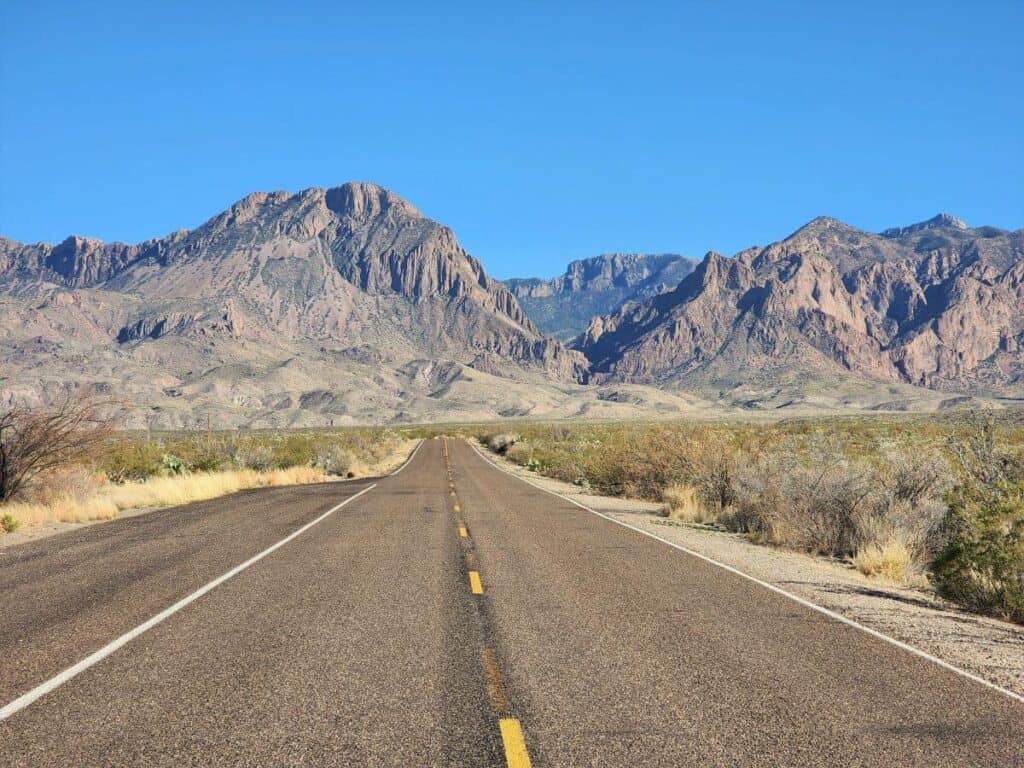
The United States is home to some of the most breathtaking landscapes in the world, protected within its 63 national parks and hundreds of other public lands. From the towering peaks of the Rockies to the vast deserts of the Southwest, these places offer unforgettable experiences for nature lovers.
However, with millions of visitors each year, national parks face increasing environmental pressure. Hoards of visitors arrive without a thought about how to do so responsibly (we’ve all seen the videos of people being chased by animals they approached). Others are sensitive to the issue, but unsure just how to mitigate it.
That’s where the Leave No Trace principles come in.
Leave No Trace is a set of seven guidelines designed to minimize human impact on nature. By following them, we can do our part to ensure the beauty and health of our national parks and wildlife.
Whether you’re planning a day hike in the Great Smoky Mountains or a backpacking trip in the Grand Tetons, here’s how to practice Leave No Trace while exploring the great outdoors.
1. Plan Ahead
Proper planning not only enhances your trip but also helps minimize damage to the environment, including both cultural and natural resources. Before visiting a national park, research regulations, weather conditions, and trail difficulty. Check if permits are required and familiarize yourself with park-specific rules.
How to Plan Ahead for National Park Visits:
- Many parks, such as Yosemite, Zion, and Rocky Mountain, require reservations for high-traffic areas—booking in advance helps control visitor numbers.
- Be prepared with the right gear (maps, layers, bear spray, water) to prevent emergencies that could lead to a strain on resources or the environment.
- Avoid visiting during peak seasons if possible—shoulder month trips reduce crowding and stress on fragile ecosystems.

2. Camp and Hike on Durable Surfaces
Sticking to designated trails and campsites helps protect fragile vegetation and prevents soil erosion. In Arches National Park, for example, walking on biological soil crusts can cause irreversible damage.
Durable surfaces include rock, dry grass, gravel, and established trails or campsites.
How This Applies in National Parks:
- Stay on trails and walk single file if necessary to avoid erosion.
- Most national parks have developed campsites to use and individual NPS park pages spell out guidelines for backcountry camping and permits. Research and plan ahead, as reservations for popular parks often fill up.
- Avoid trampling wildflowers and other plant life—what looks like an empty patch of dirt may be home to fragile organisms.
3. Properly Dispose of Waste
A simple rule: Pack it in, pack it out. This means carrying out all trash, leftover food, and even biodegradable waste like fruit peels, which can take years to decompose in some environments.
How This Applies in National Parks:
- Many parks, such as the Grand Canyon, have a carry-in, carry-out trash policy on trails due to limited waste facilities. Bring an empty container or bag in your backpack to place waste in (tissues, food packaging, etc.) and carry it back out to a trash receptacle.
- Use restroom facilities when available. If none exist, follow proper techniques for human waste disposal: dig a cathole 6-8 inches deep at least 200 feet from water sources.

4. Leave What You Find
Those rocks, wildflowers, and historical artifacts are not your souvenirs! Even the most unassuming items in nature have a role to play, and moving or removing objects can cause damage.
Picking flowers, for example, can harm pollinators and impact the plant’s lifespan. Hammering, hacking, or carving into trees can make them susceptible to disease.
You may think your singular action is not a big deal, but when you add up millions of annual visitors, the impact can be profound. The beauty of national parks is best preserved when left undisturbed. So take a picture and leave no trace!
Leave What You Find in National Parks:
- Don’t stack rocks (cairns) outside of official trail markers. This can mislead hikers and harm microhabitats.
- Clean your outdoor gear to avoid carrying and introducing invasive species to new environments.
- Cultural sites, such as Mesa Verde National Park, are protected—do not touch or disturb ancient dwellings and never remove artifacts.
5. Be Cautious With Campfires
While a campfire adds ambiance to an outdoor experience, it can also cause long-term damage. Many national parks restrict or prohibit flames to prevent wildfires and protect resources. It’s always important to check the rules for the park you are visiting in advance so you know what to expect.
Campfires in National Parks:
- Use camp stoves and lanterns instead of fires in parks where fire danger is high.
- Where fires are allowed, use designated fire rings, pans, or mounds, keep them small, and put them out completely when you’re finished.
- Use local or purchased firewood to prevent the spread of invasive species. Check with individual parks to learn if you can collect dead wood on site.

6. Respect the Wildlife
Just because they’re friend shaped, doesn’t mean they need a cuddle. National parks are home to incredible wildlife, from bison in Yellowstone to bears in Glacier National Park.
Respecting wildlife means observing from a distance and never feeding or approaching animals. Even the most harmless looking little critters can suffer from human engagement. In fact, people’s interactions with wildlife can cause aggression, ecosystem health declines, and euthanized animals.
Plus, in national parks, it’s actually illegal to touch, feed, frighten, tease, or disturb the wildlife.
Respecting Wildlife in National Parks:
- Always stay at least 100 yards from bears, wolves, and other predators, and at least 25 yards from other wildlife. (Check with the park you’re visiting for additional guidelines).
- Feeding animals (even unintentionally by leaving food out) disrupts their natural behavior and can expose them to danger.
- Store food and dispose of trash properly—use bear canisters in places that require them, clean up picnic areas and campsites, and store food.
- In bear country, even non-food items with a scent (like deodorant or toothpaste) should be locked up in a canister or vehicle.

7. Consider Others
A national park visit should be enjoyable for everyone. Being courteous to fellow hikers and campers as well as locals and employees creates a better experience for everyone.
It’s also important to be aware and respectful of the ancestral lands where many national parks are located. Research the indigenous history and local communities in advance to learn about boundaries and access rules, and remember that you are a visitor.
The visitor centers at many national parks also have great information to help you learn more about both the natural and cultural history of the area.
Be Considerate in National Parks:
- Keep noise levels low—loud music and voices disrupt both wildlife and other visitors. Use an earbud when you listen to music and be mindful of phone calls and electronic noises when you’re camping.
- Yield to uphill hikers and step aside to a durable surface on narrow trails to allow faster hikers to pass. If you’re on a bike, yield to hikers and equestrians.
- Follow park guidelines on drone usage—most parks prohibit drones to protect wildlife and maintain the soundscape.